What’s The Difference Between Doves And Pigeons? The Answer May Surprise YouKaren
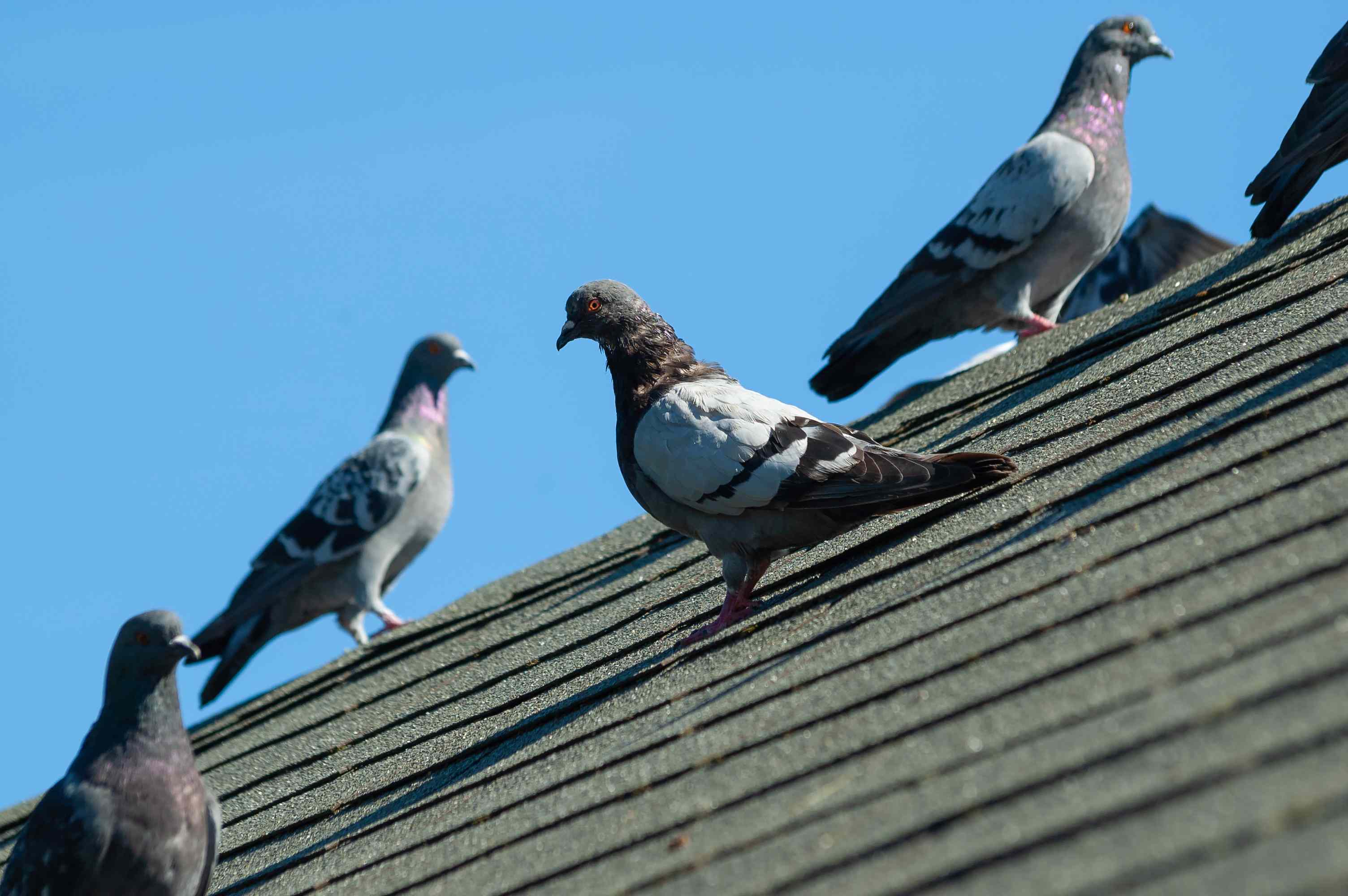
When visiting a big city, doves and pigeons are often a common sight, but these two birds have very different reputations. Doves are revered as a sign of peace, while pigeons get a notably more negative reaction from people. Historically, pigeons were used as a means of communication, relying on homing instincts to relay messages during wartime. Now, they are known for messy droppings and overpopulation in big cities.
These similar-looking birds are considered to be vastly different, but are they? While there are obvious differences in their appearance and behavior, they are scientifically the same type of bird. Learn what sets pigeons and doves apart and how to tell the difference.
Related: Crow Or Raven? How To Spot Which Black Bird Is Visiting Your Yard
How Are Doves And Pigeons Similar?
Pigeons and doves have no biological difference and are not classified individually. They belong to the same biological family, Columbidae, which has more than 350 species. In some instances, depending on the region you are in, the names may be used interchangeably.
These types of birds can be identified by their stout bodies, short necks, short legs, slender beaks, and small heads. Both eat a diet of seeds, small fruits, and grains. They typically lay two small eggs in simple nests built with twigs.
How Are Doves And Pigeons Different?Types
In North America, the most common pigeons and doves are rock pigeons, also called rock doves, and mourning doves. Rock pigeons are the wild ancestors of domestic pigeons. Feral pigeons are the birds you see congregating in large cities searching for food scraps and shelter. Their colors and markings can vary, but often they have gray-blue bodies with an iridescent green or purple neck. They were domesticated from the wild rock dove and used for messaging and as a food source. Descendants of the domesticated birds escaped and began to thrive in cities where food and shelter are abundant.
Physical Differences
Pigeons are usually larger and stockier in size than doves, and their tails are short and straight. Doves have more slender bodies with longer tails that fan out. Their muted coloring ranges from soft tan to pale gray to white.
Some doves, like mourning doves, make a soft, sometimes sorrowful cooing sound, while pigeons have a raspy, throaty call.
Reputation
Pigeons have earned a negative reputation. Their droppings stain buildings as they perch high on ledges, and large populations can be noisy and overcrowd urban areas. They have been stereotyped as disease-carrying scavengers, earning the nickname “rats with wings.”
Doves are considered symbols of peace. Pure white versions are released at weddings to symbolize love, fidelity, and new beginnings. These doves are actually white homing pigeons trained to return home after being released.
Doves can live under human care or in backyards and parks, while feral pigeons commonly forage in urban areas. Both pigeons and doves, as well as other birds and other species, can transmit diseases through their droppings. Because pigeon populations are so large, the amount of droppings can pile up and become a health concern.
Related: 8 Backyard Birds You See All The Time—And What They Mean
on Southern Living
Source: Nature



0 Comments