Mike Ingham interview: If you don’t shout in real life, why shout doing football commentary?
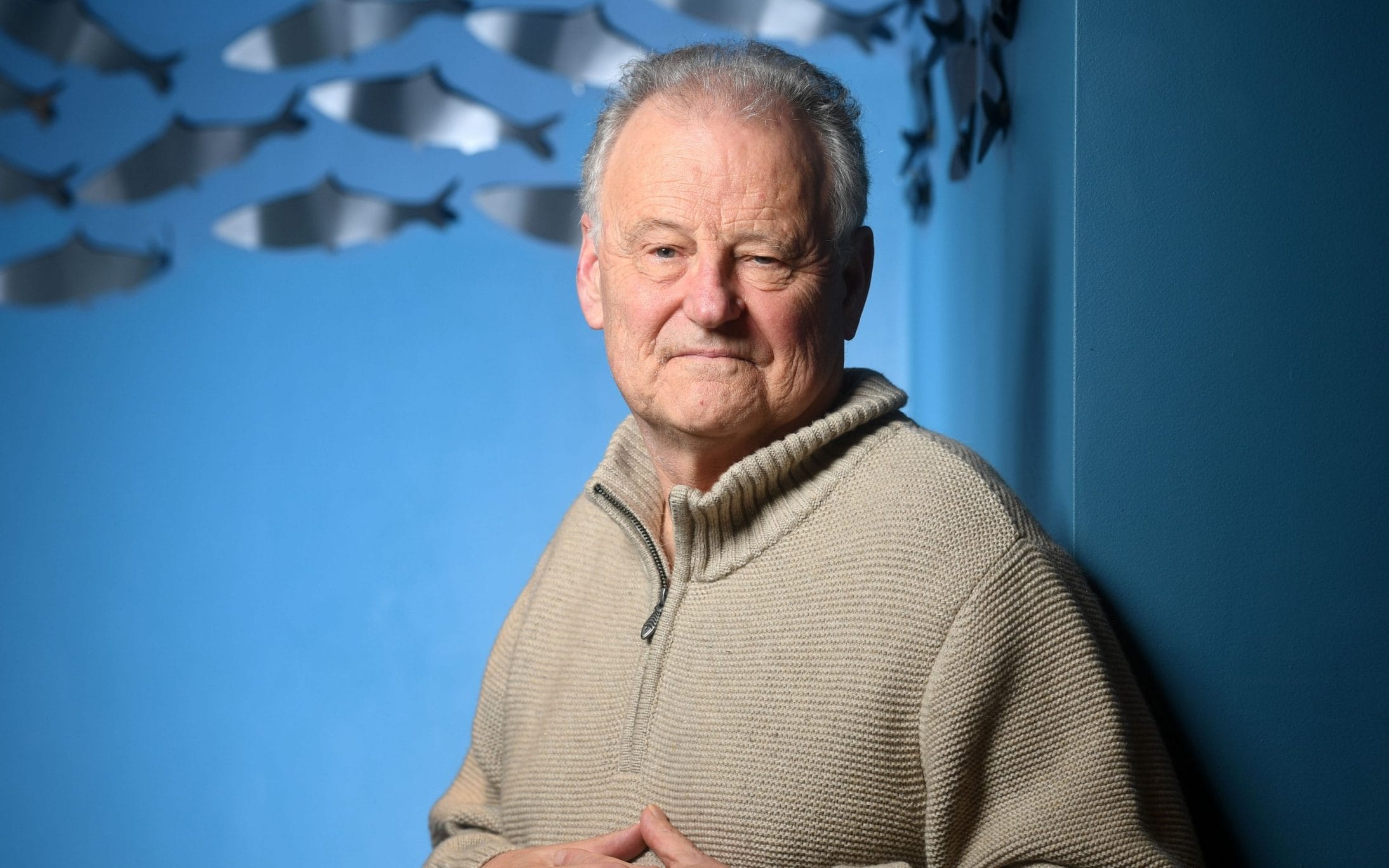
Mike Ingham believes the BBC has ‘spread itself too thinly’ in recent years - Russell Sach
Take the train from London to Looe and try not to gasp. First at the sudden coastal section after Exeter, where the waves lap up carriage windows on a windy day, then the edges of Dartmoor outside Ivybridge, before the final leg on the gorgeous Looe Valley Line from Liskeard, the sort of dinky relic that Dr Beeching strived to eliminate. What better soundtrack on this spectacular journey than radio commentary of the 2005 Champions League final?
This was in my ears as I travelled to visit Mike Ingham, one of two commentators on duty for 5 Live in Istanbul who has retired to Cornwall. His co-pilot Alan Green awarded the trophy to AC Milan twice in the first half, after their second and third goals. Other than that it is a faultless piece of broadcasting, a masterpiece of tone and description from a different age.
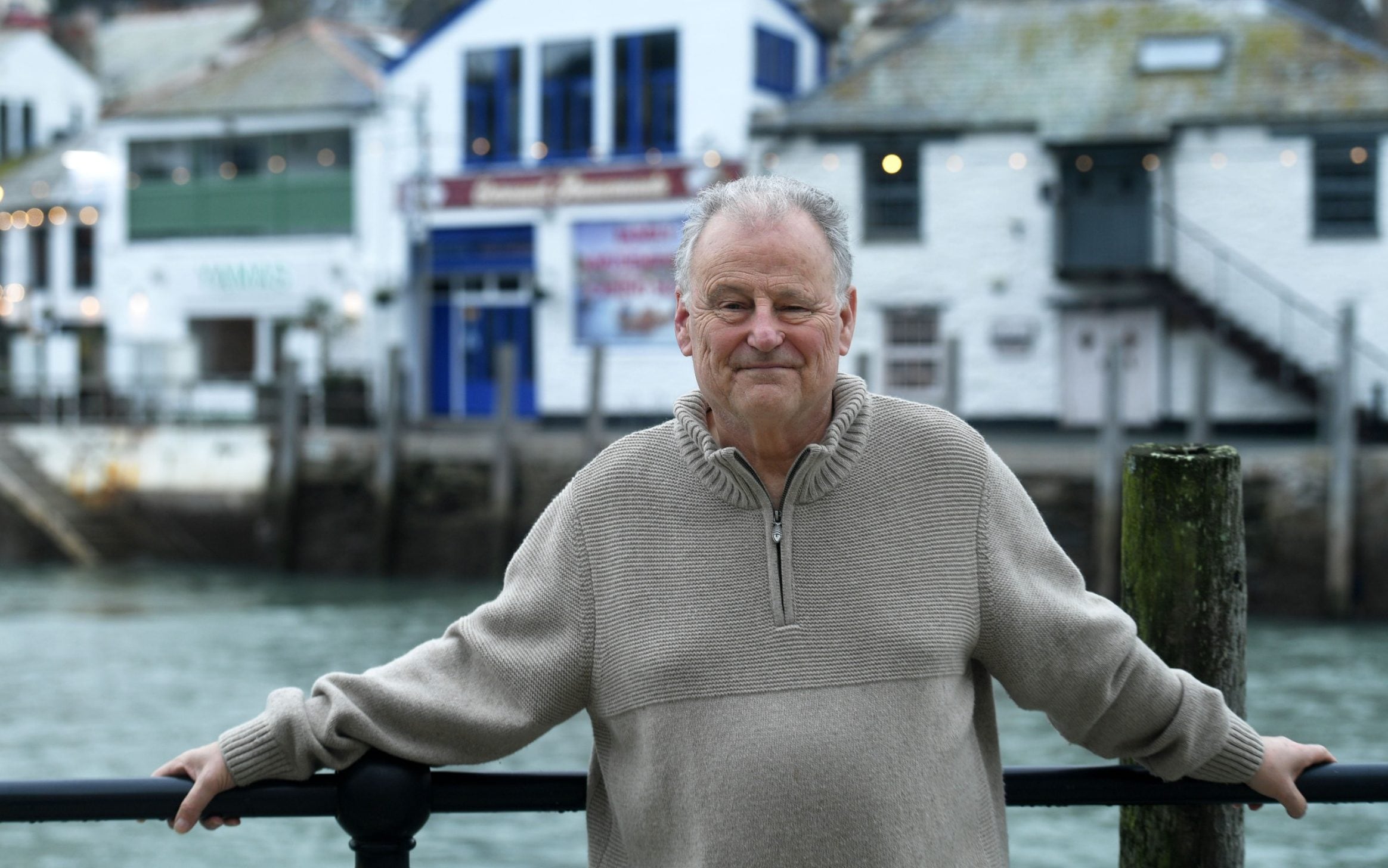
Ingham now lives in Cornwall following his retirement in 2014 - Russell Sach
Ingham is disarmingly grateful that I have come some distance, insists on paying for our lunch and is unusually humble for a man who scaled such heights. He served for 23 years as the BBC’s football correspondent and was awarded an MBE in 2010 for services to sports broadcasting. His was an understated style, never seeking the protagonist’s role, heard but not seen.
His commentary for Sergio Agüero’s title-winning goal for Manchester City in 2012 is remarkably restrained, keeping his head as all about him are losing theirs, and remembering his primary duty to inform the listener. “The best commentators are probably the ones you don’t notice,” he says. “Bryon Butler always used to say ‘be a good guest in someone’s front room’.” Ingham was always that, with his soothing and oddly accent-less voice.
Liverpool gave him his best and worst moments. At the end of his first season as a commentator, he was sent to Belgium for the European Cup final of 1985 at Heysel stadium. “I was looking at bodies, young people, and it was just heartbreaking, really. Then having to commentate on the game afterwards. Peter Jones, emotional man, he just got hold of my arm and squeezed it tight.”
Twenty years later he watched Liverpool win the competition after trailing 3-0 at half-time. “Those are easy games to do, they take care of themselves. I always used to find the ones that gave me most satisfaction were the drab games, when you had to try to sustain interest even though there was nothing happening.”
What is the first thing he tells aspiring commentators? “I don’t really, I would never preach to somebody.” He laments that some do not stick to the basics: giving the score regularly and being clear about where the action is taking place on the pitch. His mentors were Jones, Butler and Alan Parry. Butler taught him how to build towards a big moment, Parry the importance of breathing and “Peter’s thing was always light and shade, don’t make every game sound like a World Cup final, because it’s not”.
The standards were high in his early BBC days. There was a meeting at 11 o’clock every Monday to plan the following week and assess what had come before. One head of sport, the former rugby player Cliff Morgan, was in attendance once and said “pitcher” to Ingham. He was confused. “You said ‘pitcher’,” Morgan said. “Pitcher. It’s pic-ture, there’s a ‘c’ in it’.”
Another head of sport, Bob Burrows, told Ingham off for stressing the first syllable in “Navratilova” when it should have been the second. “I got one of the goalscorers wrong in the Euro 2012 final and really beat myself up after that,” Ingham says. He retired two years later, the World Cup final of 2014 was his final game. Was there any blowback for the 2012 misidentification? “No, there should have been, someone should have been saying why did Mike Ingham not get the right goalscorer?”
Ingham stresses several times that he does not wish to criticise the BBC unduly and retains a huge affection for it. “I still love the BBC, I really do. I don’t want to sound like one of those old blokes in the Muppets, sitting in the gallery saying, ‘Oh, it’s not as good as my time.’ There are elements today which are just as good, John Murray and Ian Dennis would hold their own in any era of radio sport.
“I’m just a bit sad that I can see things being given away, which I know some of the pioneers fought so hard for. If you really care about BBC Sport then you’ve got an opinion on it when you see things being given away.” He cites a lack of commentary for EFL games, but also a loss of identity. “There are still so many good things to cherish about sport on radio and to a lesser extent television, because they just seem to be losing everything on television.
“I just think the BBC has spread itself too thinly. It’s just trying to do everything, as opposed to trying to concentrate on the things it does best. For me, the programme should always come before the podcast. That’s me though, not being able to move with the times.”
These days, while still an avid listener, he spends some time tuning in to its commercial rival. “I think they [BBC Sport] were complacent about Talksport. When it began it was a bit blokey, now I think it’s a more comprehensive service and the range of presenters they have really makes it work. Simon Jordan is brilliant, Jeff Stelling’s there and they do the results at 5 o’clock on a Saturday.”
Ingham “couldn’t believe” the decision to can the classified results on 5 Live in 2022. “It’s like building a house without the bricks.” He accepts the final scores are still given throughout Sports Report and the schedule is tight before commentary for a 5.30pm Premier League game, but “those 2½ minutes were like taking stock at the end of a hurly-burly afternoon. It was a great bit of broadcasting when it was done by James Alexander Gordon, like the shipping forecast.
“I think 5 Live has lost a lot of, not professionalism, but discipline. I was reared on hitting the pips [the countdown to the top of the hour ahead of the news]. My family gets so exasperated with me now because I’m such a stickler for time. A lot of that has been lost, it has become much more easy come, easy go.”
Ingham still prefers the style of radio commentary to TV, which he finds too reliant on statistics. “I wish they’d relax a little bit more. If there was a facility for a red button where you could just have the atmosphere of the ground, I’d like to immerse myself in that and not be distracted.
“If you don’t shout in real life then why shout doing football commentary? And don’t use language that you wouldn’t use normally. Why is a deflection always ‘wicked’?”
He had the fortune to join Radio Derby as its local club were enjoying the greatest spell in their history. One of the managers responsible, Brian Clough, used to summon Ingham to his office at 9am then not show up until 5pm. “He came in and said, ‘Young man, sorry to keep you waiting. Would you like Peter [Taylor] as well?’ It was honestly the most magical time of my career, where they were just firing off each other, getting each other going.
“I’ve never met anyone else like him in sport. He was capable of great kindness, but he could be a bully as well and you never knew from day to day. Maybe that was the secret he had with the players, that they weren’t sure.”
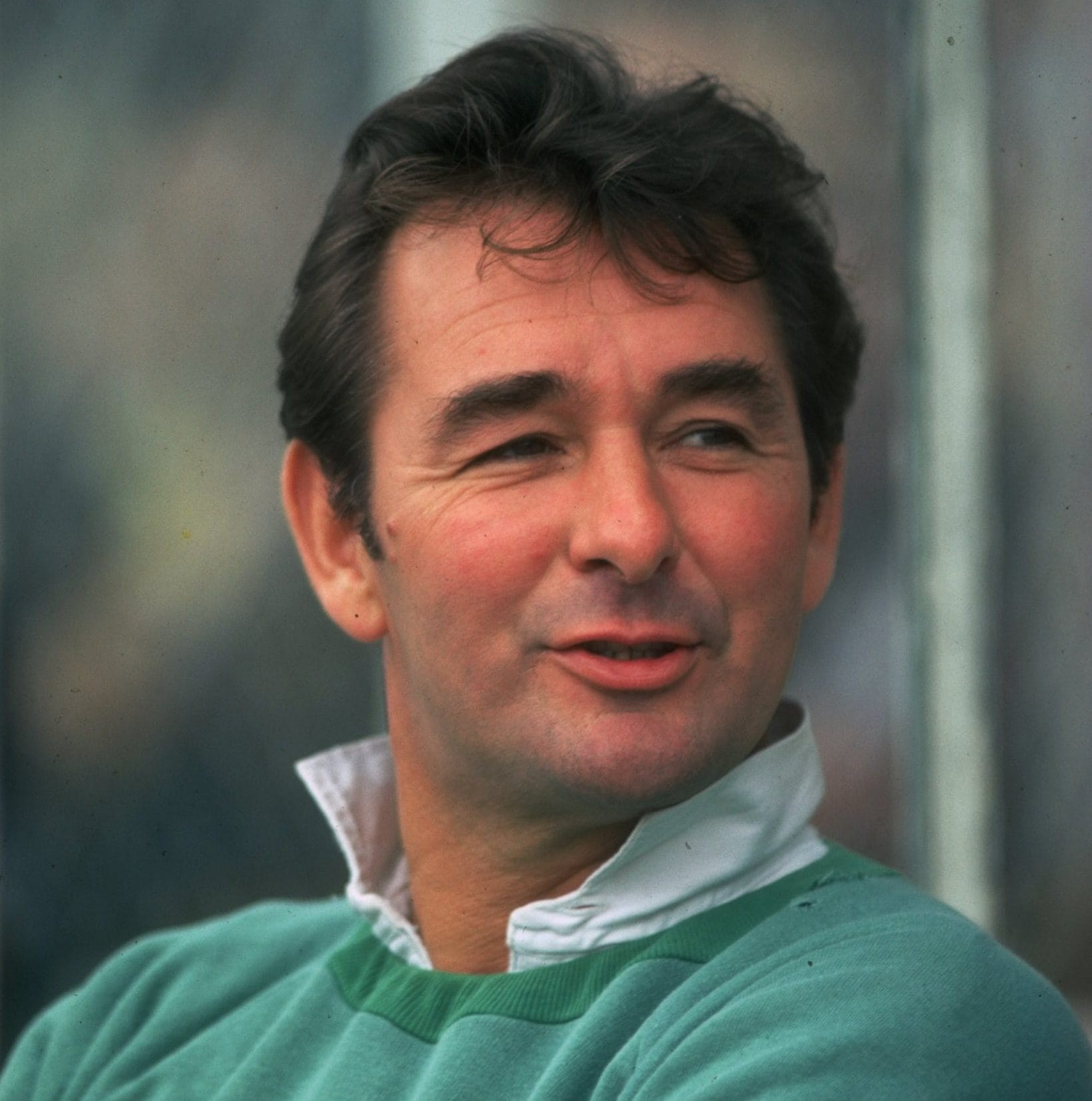
Brian Clough managed Derby County between 1967 and 1973 - Getty Images
After several years hosting Sport on Two and Sports Report, Ingham took his commentary role and shared the booth frequently with Green. They worked together for 30 years and their differences suited one another, Ingham’s measured formal brilliance, Green’s plain-speaking spade-calling.
For 25 of those 30 years, Ingham says, they were “very close”, to the point of families spending time together on holiday. Green, though, is not mentioned in Ingham’s autobiography After Extra Time and Penalties, which Ingham now regrets. “I should have been bigger than that and paid tribute to him. Alan was a very gifted natural broadcaster, very spontaneous. Some of his commentaries will live for ever in the archive, and not just football either.”
Something had changed in Ingham’s final years at the BBC. “I still can’t put my finger on it. He just became more remote. I can’t think of anything particularly that I did that would have upset him, but it clearly did because there became a distance and a bit of a friction.” Ingham has spoken to him only once since retiring. “When he came on the phone, it was like he was talking to a complete stranger.
“I hope he’s all right. I just hope he’s OK. I certainly valued most of those years together.”
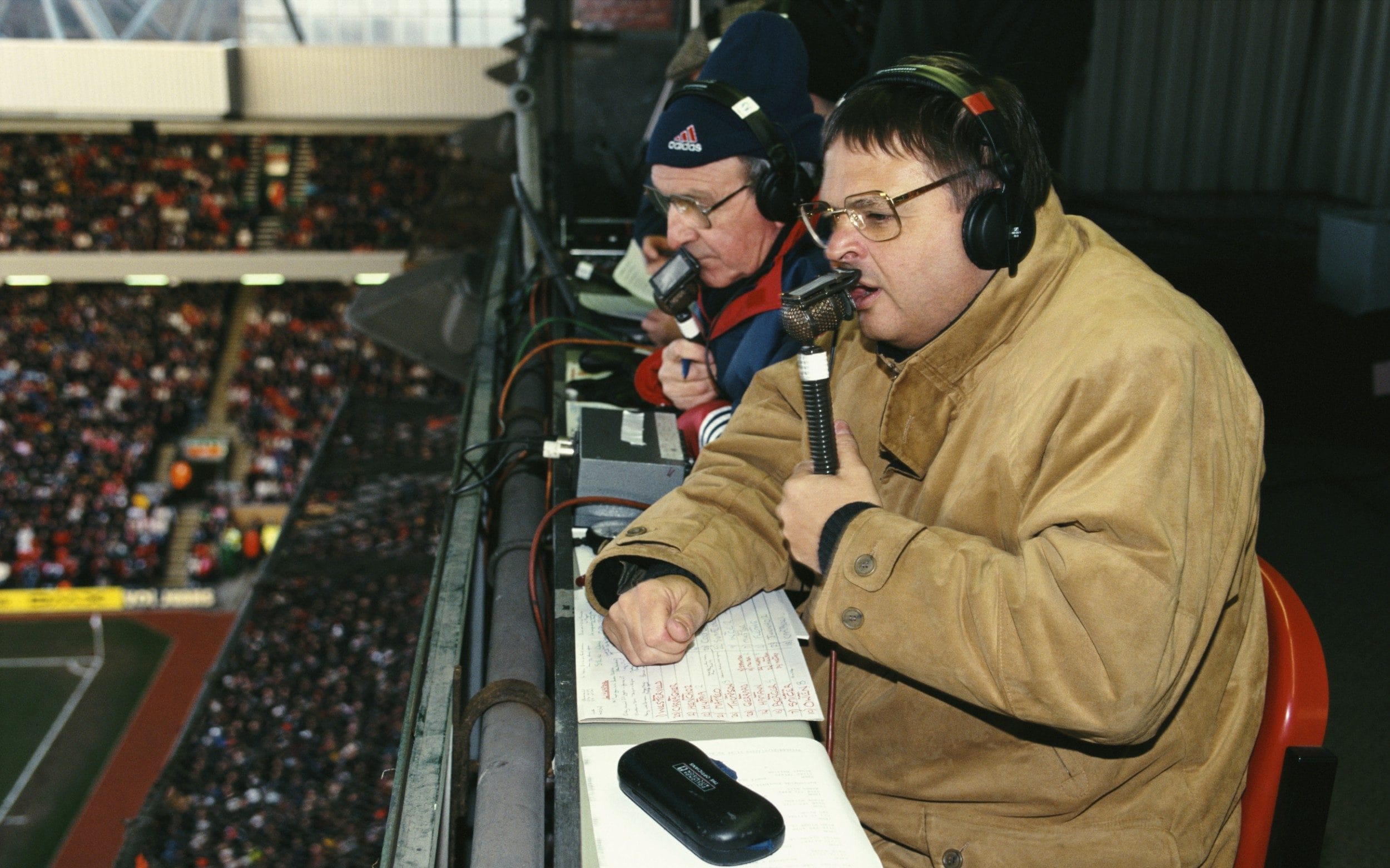
Alan Green on commentary duty at Anfield in 2000 - Getty Images/John Gichigi
Unlike some of his peers who were forcibly replaced by younger models, or clung on beyond conventional retirement age, Ingham made a dignified exit. “Every dog has its day and I could see I was coming towards the end. I got out just before VAR, which I thank the heavens for.
“I don’t think Wembley is the home of English football anymore, I think it’s Stockley Park. And I would have come under enormous pressure to go on social media. I’ve got too thin a skin I’m afraid.”
Is it possible to feel both sad and glad that someone has retired? As much as I miss Ingham on the radio it would have been highly insulting to force him into the TikTok commentator reaction-cam age.
Source: Sports
